
A nation divided
The rise of One Nation, Oil and the Strait of Hormuz, and the SpaceX IPO.


Good morning and welcome to Detrended, where this week we're observing the fracturing of Australia's two-party system from a very safe distance.
The rise and rise of One Nation
No matter which poll you check, they all show the same thing: after 29 years of trying, Australia's right-wing populist party, One Nation, is finally garnering serious mainstream support.
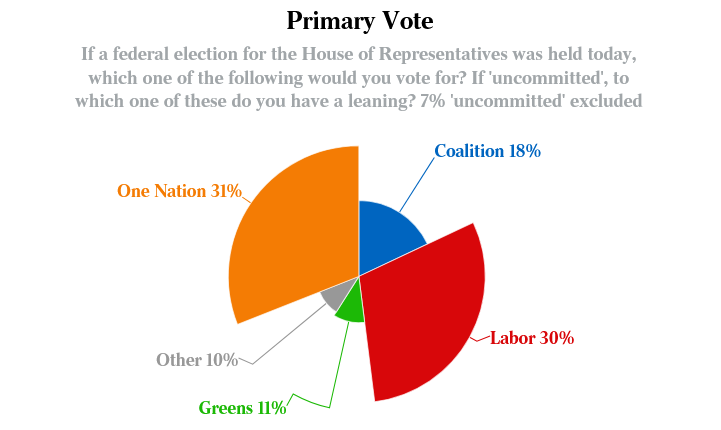
Let me be perfectly clear: in terms of the economics, an Australia governed by a One Nation majority is not likely to result in a positive outcome, unless you're of the belief that a country needs to hit rock bottom before it's able to rebuild itself.
At its core, One Nation is just another big government party with wilder, more protectionist ideas than the two majors. For example, a quick skim of its policy page shows that it wants to meddle with prices through targeted GST exemptions and fuel excise cuts; create a water tsar; have the government take direct stakes in commodities like gas, while banning foreign investment in critical infrastructure; impose "smart tariffs" (lol) on imported goods to protect Australian industry; and slash immigration to 130,000 visas a year, which is less than half of the existing student cap, let alone all the other skilled and family categories.
If enacted, that suite of policies alone would raise prices for Australian households, destroy productivity, and in all likelihood trigger the biggest recession in 30 years.
Australia has checks and balances in place to prevent such a policy-induced shock being realised all at once – only half the Senate is elected every cycle – but the economic damage caused by a One Nation government could still be considerable.
I'm sympathetic to One Nation voters, and wholeheartedly agree that Australia has not been served well by the two major parties over the past couple of decades. But I do worry about what might happen if the inmates get a chance to run the asylum, even if it's just for three years.
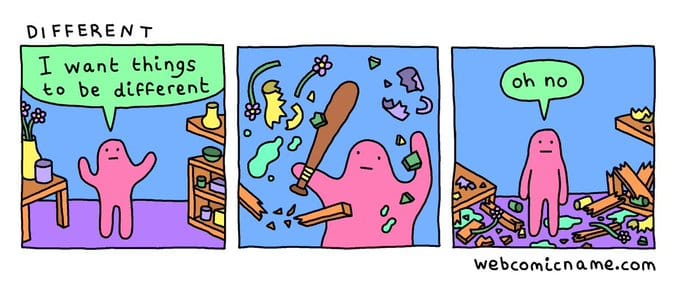
Still, it's crystal clear that people aren't happy with the status quo and they're protesting by joining the One Nation bandwagon, raising serious questions about the future of both the Coalition and Labor.
Triple digits in the Strait of Hormuz
Can you believe it has been 105 days since Trump attacked Iran and caused the closure of the Strait of Hormuz? Netanyahu conned him good; I'm sure he promised a quick resolution (unlike every other US intervention in the Middle East), dangled the prospect of a Nobel peace prize in front of poor old Trumpy, and he couldn't help but buy into his lies.
But for me what's remarkable is how resilient the world economy has been. Despite something like 20% of global petroleum and crude oil flowing through the Strait prior to the conflict, spot oil prices are only around 15% higher today than before the conflict.
That's not supposed to be possible; there's lots of research out there showing that supply and demand for oil is relatively inelastic, i.e. slow moving. In such markets, you'd expect much larger and sustained increases in price when 20% of supply was removed overnight. For example, oil production dropped by about 7.5% during the OPEC oil crisis in the 1970s, yet global oil prices quadrupled.
So, what's happening? Clearly 20% of supply wasn't actually removed overnight. Some of it's leaking out on ghost ships, escaping via pipelines, and of course governments around the world have released huge amounts of their vast emergency stockpiles.
On the demand side, consumers are likely being more cautious or actively seeking substitutes. Then there's China, where they're turning abundant coal into petrol and LNG. Horrible for the environment and Uyghurs, sure, but it's not like Xi Jinping cares.
Notch this one up as another example of why you should be cautious of static analysis, or never underestimate the elasticity of supply and demand.
Elon goes to the moon
What a day. Last night SpaceX (SPCX) traded publicly for the first time, officially making Elon Musk the world's first paper trillionaire. Plenty of people doubted that a space company could be worth US$1.75 trillion – a trailing price-to-revenue multiple of nearly 100× – and figured it would crash and burn, taking the rest of the market with it. Instead the offer was heavily oversubscribed and closed up 19%, so those fears remain unfounded – for now.
The two keys to every Elon venture are hype and growth. On hype, SpaceX is a frontier company with its fingers in every hot pie: a US$920 million a month deal selling xAI compute to Google, a swag of US government space and satellite contracts, and StarLink's 12 million-plus satellite broadband subscribers. On growth, revenue rose 33% last year; put the two together and investors see nothing but blue sky, hence the valuation.
However, risks abound. The Bezos-backed Project Kuiper and the data-centre buildouts from Google and Anthropic are all circling, potentially threatening SpaceX's near-dominance in multiple industries.
There's also a concern for passive investors. Yes, SpaceX closed significantly higher today. But the price discovery process can take several weeks to work for a new listing like this. As Stanford's Hanno Lustig argues (here and here), when mega caps get rushed into indices and index fund holders are forced to buy before that process has completed, they may get fleeced by insiders. For now that's a Nasdaq and FTSE Russell problem; S&P Dow Jones elected to hold the line, meaning S&P 500 trackers won't be forced to buy SpaceX for at least a year.
All in all, it could be a wild ride that will only get wilder if AI leaders OpenAI and Anthropic, which both filed confidentially this week, decide to test the market with trillion-dollar IPOs later this year.
Have a great rest of your weekend, and please note that posting will be a bit lighter than usual for the rest of the month as I'll be driving around Hokkaido.


