
Australia's two fuel crises
How Canberra's response to the first is making the second worse.


I'm going to be in Hong Kong and Singapore over the next week so posting will be light. If you'd like to catch up, let me know!
Australia is in the grip of a genuine fuel crisis. Or rather, two crises.
The first crisis is high fuel prices. Australian pump prices are high because global oil prices are high. Canberra can't do much about that, though halving the fuel excise makes it look like it's trying. But all that really does is make the second crisis, limited fuel supply, even worse.
Lower fuel prices blunt the very demand destruction that's keeping the shelves stocked. They're also counter-productive based on the government's own stated goals: 'Level 3' of the National Fuel Security Plan (it's currently at 'Level 2') involves "getting fuel to where it's needed most".
While the government is opaque about who it considers most worthy, presumably that would include farmers, miners, and other off-road business users, who get no benefit from a fuel excise cut because any excise they pay is already refunded through the Fuel Tax Credit scheme.
Worse, they end up paying more in real terms, because the lower retail price boosts discretionary fuel demand, raising pre-excise prices across the board and draining just a little bit more of Australia's scarce reserves.
The good news is that, notwithstanding Canberra's efforts to undermine it, the fuel price crisis is what's preventing the fuel supply crisis from becoming a catastrophe. High prices are doing exactly what they're supposed to by delivering scarce supply to Australian shores and rationing consumption. On the former, tankers are now crossing the Pacific from the US Gulf, a two-month voyage, because high Australian prices have made it profitable.
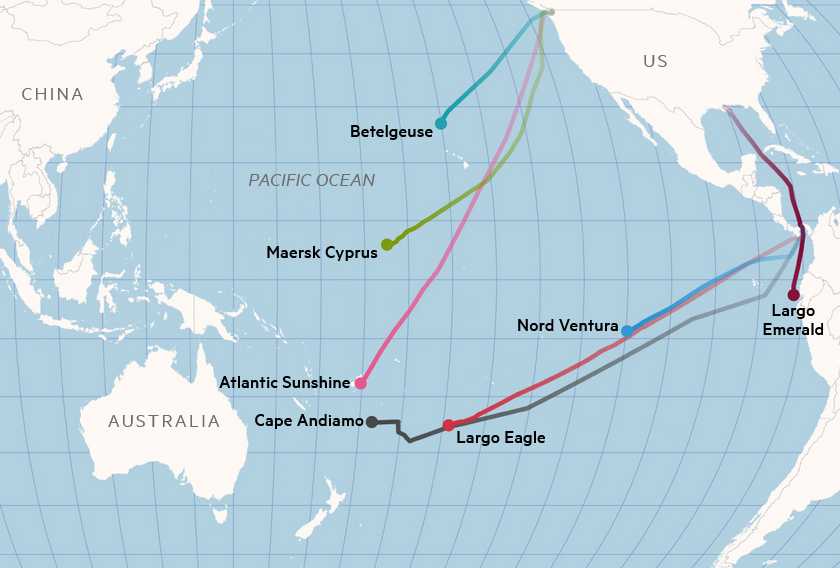
On the latter, something like 20% fewer highway trips were taken over the Easter long weekend across Sydney. Cathay Pacific is cutting 2% of its passenger flights from mid-May, HK Express will cut 6%, while Qantas has trimmed domestic capacity by 5 percentage points. China's three largest carriers "have scrapped several Sydney-bound routes and cut other Australian services by up to 66%".
Every cancelled flight is kerosene that doesn't get burned, easing pressure on fuel supply (jet fuel and diesel use the same refining stream). It's painful for the airlines, their staff, and their passengers. But it's also the market working as designed, pulling tankers from 21,000 kilometres away and pushing the marginal user off the road and out of the sky. Only 2.4% of Australian petrol stations are dry in the middle of a major global supply shock, which given the circumstances is the system clearing about as well as you could hope.
But crises get their names for a reason, and Australia needs to have two serious and separate conversations for each.
For high fuel prices, the conversation should centre around distributional relief for the people genuinely getting crushed by it. The government shouldn't be cutting blank cheques (and please no more universal handouts), but democracies are all about lending a hand when times are tough. Some people are legitimately faring worse than others through no fault of their own, so some kind of targeted and temporary transfer is probably warranted.
For fuel supply, the discussion needs to be about why thirty years of warnings about Australia's supply fragility produced a $20 million advertising campaign telling people to check their tyre pressure. The "fuel security" crowd will inevitably claim vindication and seek endless subsidies for domestic refining, but the counterfactual matters: how much would Australians have paid over 30 years to keep those refineries open as insurance against a complete shipping lane closure, which is the only time they become relevant? I don't know the answer. But the trade-off is still real and needs to be communicated to the electorate, yet nobody in Canberra seems to be doing it.


