
A new direction
Why proprietary AI is losing its edge, local policy has hit a wall, and where this newsletter is heading next.


I'm writing this from a lovely ryokan nestled in the mountains of Hokkaido, around which I've spent the last couple of weeks driving, hiking (bring a bear bell), and doing far too much eating. I haven't been taking many notes because there's not much to say beyond what you can find out through your own curiosity (surprise, Russia has had a big influence on the island's geopolitics!). But it's beautiful, has very few non-Japanese tourists, the people are friendly and speak surprisingly good English (Google Translate also works wonders), the wilderness is incredible, and the onsens (natural hot springs) are divine.
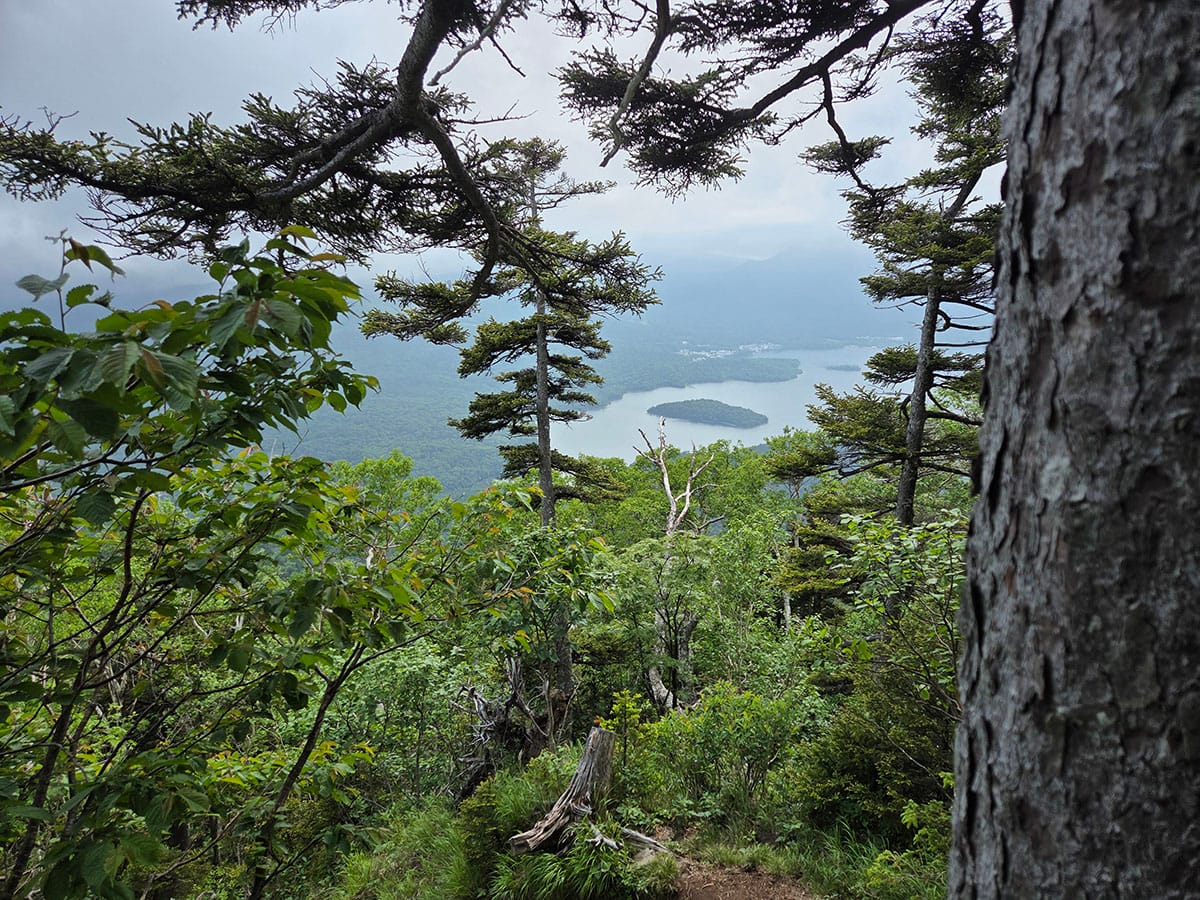
Here's a very amateurish shot I took from close to the summit of Mount Oakan:
I'll be back in Australia in a couple of days, but before then I wanted to share an update.
I don't know about you, but if you haven't been able to tell from my recent posts, I'm pretty pissed off with the Albanese government. After the disaster that was the Morrison government, Australian voters were crying out for a less dishonest (I'd never describe a political party as honest), sensible, stable party run by adults. Yet for all the talk of productivity and transparency, we instead got lying, gaslighting, even more secrecy, and what I'd call generally poor economic and social policy making.
This is a government that, instead of admitting it has failed in areas such as tobacco and child safety (to name just two), has instead doubled down on its mistakes. Gangs taking over the tobacco trade? Let's just raise taxes elsewhere to compensate for the lost revenue; god forbid we slash excise tax to allow legal cigarettes to compete with the much cheaper black market!
Internet age restrictions not working, like, at all? Let's just give the eSafety Commissioner, affectionately know as the 'e-Karen' online, even more powers to control our lives. Yes, our lives, because the end result of tougher age verification rules for those aged under 16 is tougher verification standards for everyone, leading to more government control over the digital world. Papers, please!
However, as frustrating as all of that may be, the fact is Labor is going to be in power for at least another two years, and perhaps even longer: at the time of writing bookies have them reasonable favourites ($1.85) to win the 2028 election, with (admittedly shallow) prediction markets showing Labor at a closer 53%. While Labor would probably lose an election if it was held today after that budget, voters can be forgiving and a lot that can happen between now and the election: remember that the Albanese government itself was on track to lose to Peter Dutton in 2025 until Trump intervened!
Anyway, I've been thinking a lot about the whole situation and my role in it. Sure, I could write an article a day about Albo's many policy misgivings. But what would that accomplish beyond what the mainstream media is already doing? It's not like these decisions have been popular, and rags like the AFR have some genuinely excellent commentators and a much bigger reach than this humble newsletter.
In the face of such a dilemma, I did what anyone would do these days and I asked Claude. But while I was waiting for it to load its response, the process of asking itself gave me an idea: why Claude? My whole life I've been about exploring new technology, especially open source technology (this newsletter runs entirely on self-hosted, open source software), yet here I was working with a paid, proprietary AI model; a model that the US government is now restricting because of supposed security fears.
There was a time not so long ago that you had to fork out for the top-tier models if you wanted to accomplish anything productive, and I've been a loyal paid Claude subscriber for several months. But we're now at a point where the competition is genuinely good; China's GLM 5.2, for example, is fast, cheap, and has intelligence on par with the major US models. Others aren't quite there but what they lack in brains they make up for in brawn, allowing users to run significantly more queries than something like Opus 4.8, which seems to devour my session limits within minutes (I'd try Fable but... well, the US government doesn't think I'm safe enough).
I don't know what the future holds, but as Western governments increasingly start to regulate AI, these open weight Chinese models (which can run locally or on whatever stack, in whatever country, you like) might even pull ahead for many use cases.
All of that is a long winded way of saying that I'm going to start writing more about my experiences with AI and other technologies. I get asked about AI far more than I do Australian economic policy, and I spend a lot of my time experimenting with it anyway, so why not share my progress? Like with crypto before, there's a whole lotta snake oil out there, from people peddling AI startups that are just wrappers for something you could do yourself, accelerationists claiming infinite productivity and no jobs, to p(doom)ers who think the world will end.
I think all are mistaken, but their proponents tend to be loud and produce the easiest 'click-bait' targets for the media, so it's all a lot of people hear. Hopefully I can represent something more of a middle ground, with experiences that actually help people use AI productively.
So, over the next few weeks you'll start seeing more AI content here. Not content written by AI, but my experiences and experiments with AI, along with some economics of AI. Any policy-related discourse will now be short and reserved for the weekend.
Stay tuned.


